
5 MORE Fogging Oil Myths That Could Be Wrecking Your Engine
Share
Missed part one? Catch up here: 5 Common Misconceptions About Fogging Oil. Then buckle up—because here are five more lies people tell themselves that cost them engines, power, and cash.
1. "It’s Not Rust Unless You Can See It"
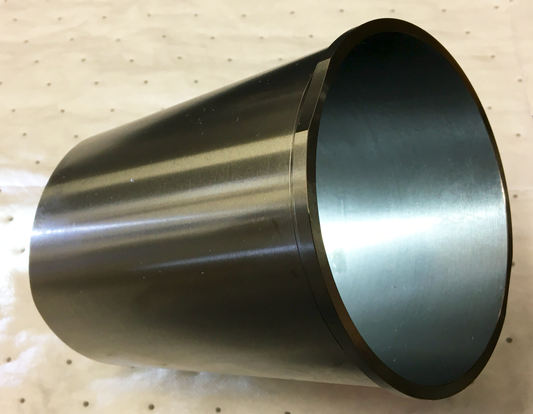
Here’s the truth: by the time you see rust, you’ve already got a problem. Internal corrosion kicks off as soon as moisture settles inside your cylinder walls after shutdown—especially if you’re in a humid area or the engine sits for more than a few days.
Microscopic corrosion eats at the crosshatch, creates friction, and over time, robs compression and power. Your engine might still start and run, but it won’t run right—and it’s slowly dying every time you let it sit unprotected.
Pro tip: Just because your plugs are dry doesn’t mean your rings and walls are. Protect them.
2. "Fogging Oil Just Runs Off Anyway"
A lot of fogging oils do exactly that—they run down the cylinder like water and pool in the oil pan. That’s useless.
Foggit was built different. With Cling Factor™, it sticks where it’s sprayed—on the cylinder walls, valve seats, guides, and combustion chambers. It’s light enough to float into tight tolerances and coat everything evenly, but it stays put when the engine’s off.
That means real protection on the surfaces that matter—without gumming up internals or washing out the crosshatch like heavier sprays can.
3. "All Fogging Oils Are the Same"
Wrong. Most off-the-shelf sprays are either:
- Too thin and watery (basically displacing water),
- Or too thick and tacky (turning your intake into a gooey mess).
Foggit finds the sweet spot—engineered by racers who know what actually works in high-compression, tight-tolerance engines. It disperses fully, clings to metal, and doesn’t foul up components. You get full coverage with zero mess and zero BS.
This isn’t some marine-store junk. It’s made for dry-sump, methanol-burning, high-dollar race engines—and yes, it’ll protect your weekend warrior too.
4. "It’ll Foul My Plugs or Cause Startup Problems"
Not a chance. One of the biggest reasons people avoid fogging oil is startup issues—plugs fouled, rough idle, or a no-start.
Foggit doesn’t do that. It’s formulated with a clean-burning accelerant that burns off instantly on startup. That means no power loss, no hesitation, no misfire, and no headache when you’re trying to fire up before first round.
We’ve tested it in dragsters and on the dyno. Zero issues, zero fouled plugs. You get peace of mind with every spray.
5. "Modern Engines Don’t Need It"
Actually, they need it more than ever.
Modern performance engines run tighter clearances, exotic lightweight metals, and fuels like E85 or methanol—all of which are more corrosive than what old-school small blocks used to deal with.
On top of that, many race engines run dry oils that don’t leave behind a protective film. Add high humidity, long sit times, or trailering across states and you’re asking for internal rust without a fogging oil.
Don’t assume new = safe. If you’ve spent time and money building something worth keeping, it’s worth protecting.
🛠️ Protect What You Built
Rust is sneaky. It doesn’t make noise. It doesn’t trip a light. And by the time you see the damage, it’s too late. That’s why pros fog their engines before it sits. Every time.
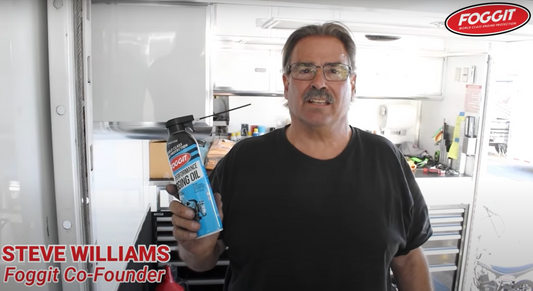
Foggit was built by racers like Gary Stinnett and Steve Williams, who live this life. It's not just about shelf protection—it’s peace of mind when you fire up next week, next month, or next season.
🔧 Bundle & Save:
Get our Protection Package — 6 cans of Foggit Fogging Oil for the price of 5. Keep every engine in your garage race-ready and rust-free.
👉 Order now at foggit.com and stop trusting your engine’s future to chance.
#Foggit #EngineProtection #RustPrevention #HighPerformanceEngines #RaceReady #ProtectYourInvestment #CylinderCare #BuiltNotBought