
Race Engine Winter Storage Checklist: 8 Steps Before the Off-Season
Quick answer: Before storing a high-performance engine for winter, inspect it, follow the correct fuel-system procedure, verify the condition of its fluids, protect exposed internal metal, control moisture, maintain the battery, cover openings, and leave a documented restart plan. Because engines and fuels differ, always follow the engine builder’s instructions and the product label.
A race engine represents a serious investment in parts, machine work, testing, and time. Winter storage should protect that investment—not simply put it out of sight until spring.
Even when a car is stored indoors, temperature changes and humidity can create conditions that expose cylinder walls and other internal metal surfaces to moisture. A repeatable winter-storage routine helps reduce that risk and makes the first startup of the next season more controlled.
Foggit customer Mike DeVore shared this experience:
“This stuff is the real deal. Got my bare block back from the machine shop. Sprayed it down with Foggit, covered it up. I had a health issue that kept me from assembling it for three months. Pulled the engine bag off, looked like it just came out of the machine shop. We use it in our class and bracket cars.”
Use the following checklist as a planning framework. When it differs from the instructions for your engine, fuel system, vehicle, or storage products, follow the equipment-specific procedure.
1. Decide how long the engine may sit
Prepare for the realistic storage period—not only the date you hope to start racing again.
A short winter can become a longer layup because of weather, repairs, scheduling changes, or unfinished offseason work. Fuel type, humidity, temperature swings, oil condition, and storage location can matter as much as the number of weeks on the calendar.
If the restart date is uncertain, establish the storage procedure with your engine builder before the final shutdown.
2. Let the engine cool and inspect the car
After the final run, allow the engine to cool according to your normal procedure. Inspect the engine bay and surrounding areas for:
- Fuel, oil, coolant, or water leaks.
- Changes in oil pressure or temperature.
- Unusual noises, smoke, or starting behavior.
- Damaged hoses, belts, wiring, or fittings.
- Moisture or debris around the intake and exhaust areas.
Record anything that needs repair. Storage protection should not hide a problem that must be corrected before spring.
3. Prepare the fuel system correctly
Gasoline, ethanol, and methanol systems can require different storage procedures. Carburetors, injectors, pumps, filters, regulators, lines, seals, and fuel cells may also have their own requirements.
Follow the procedure supplied by the engine builder and component manufacturers. Depending on the combination, that procedure might involve draining, flushing, treating, or replacing fuel—but no single method is correct for every race engine.
Remember that fogging oil protects internal engine surfaces. It does not drain or preserve every component in the fuel system.
Methanol racers should review the methanol engine protection section of the Foggit Answer Center.
4. Verify the condition of the oil and other fluids
Oil that has been exposed to fuel dilution, moisture, or combustion residue might not provide the storage protection you expect.
Use the engine builder’s criteria to determine whether the oil should be inspected, sampled, drained, or replaced. Do not rely only on appearance or the number of runs completed.
Also complete the manufacturer-approved winter procedure for the cooling system. Verify coolant condition and freeze protection where applicable. Race engines using water-only cooling systems may require a different offseason procedure.
Record the condition of every fluid and note anything that must be refilled before startup.
5. Protect internal engine surfaces
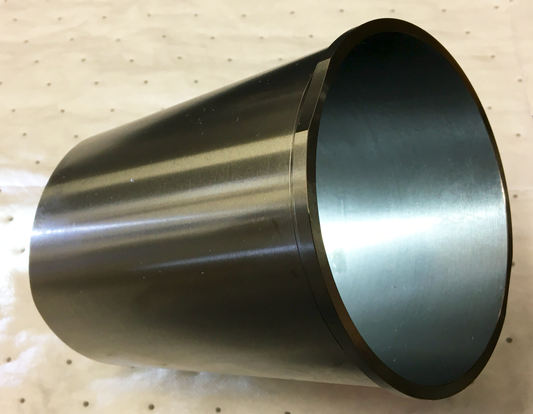
After shutdown, the normal oil film on cylinder walls and other internal surfaces can drain, thin, or become uneven. Exposed ferrous metal becomes vulnerable when moisture and oxygen reach it.
Fogging oil is designed to be applied as a mist and leave a protective storage film on internal surfaces. Apply Foggit according to the current directions on the can and the method approved by the engine builder.
The goal is controlled, even coverage—not liquid accumulation. More product is not automatically better, and excessive liquid can create startup problems or a hydrolock risk.
For additional guidance, visit the Foggit application section of the Engine Protection Answer Center.
6. Control moisture around the stored engine
A garage, shop, or enclosed trailer protects the vehicle from direct weather, but it is not necessarily a dry or temperature-controlled environment.
Large temperature changes can encourage condensation. Avoid enclosing a hot, wet car immediately after an event. Once the vehicle has cooled and its storage procedure is complete:
- Keep the storage area as dry and stable as practical.
- Address roof, door, or floor leaks.
- Avoid leaving wet equipment inside the trailer.
- Inspect the storage environment after major weather changes.
- Use moisture-control equipment only as directed for the space.
Internal protection remains important even when the car is stored indoors.
7. Protect openings, electrical systems, and external components
Cover intake and exhaust openings using the method approved by the engine builder. Make every cover or plug highly visible so it cannot be overlooked during startup.
Follow the vehicle and battery manufacturer’s recommendations for battery charging, maintenance, or disconnection. Inspect exposed wiring and protect the vehicle from pests without placing combustible materials near hot or electrical components.
If the vehicle will be supported or its tires unloaded, use the chassis manufacturer’s approved lifting and support points.
8. Leave a written restart plan
A safer spring startup begins when the engine is put away.
Create a visible storage record containing:
- The date of the final run.
- Fuel used and the fuel-system procedure completed.
- Oil and coolant status.
- Fogging method used.
- Every covered opening.
- Every disconnected component.
- Battery status.
- Repairs or inspections still required.
- Steps that must be completed before cranking.
Attach a prominent warning tag if the intake, exhaust, fuel system, cooling system, or electrical system is not ready for operation.
Should you start a stored engine during winter?
Not necessarily.
A brief start that does not bring the engine through the complete builder-approved operating procedure can introduce fuel and moisture without providing the intended benefit. Periodically start a stored race engine only when the engine builder recommends it and the full procedure can be completed safely.
Otherwise, properly preserve the engine and leave it protected until the planned restart.
What should you expect after using fogging oil?
Some exhaust smoke or temporary plug fouling can occur as storage oil burns away. Before starting:
- Remove every intake and exhaust cover.
- Inspect for liquid accumulation.
- Verify all fluid levels.
- Confirm that disconnected systems have been restored.
- Follow the engine builder’s restart procedure.
- Start the engine only in a well-ventilated location.
- Confirm oil pressure promptly and watch for leaks or unusual noises.
If the engine does not turn freely, stop and investigate instead of forcing it to crank.
Protect what you build this winter
Winter storage is not one product or one step. It is a complete process involving the fuel system, fluids, internal surfaces, storage environment, electrical system, and eventual restart.
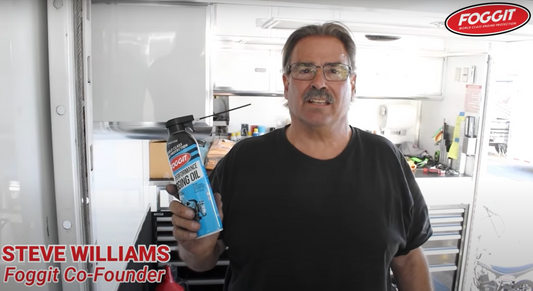
Foggit was developed by racers and engine builders Gary Stinnett and Steve Williams to address internal surface rust in high-performance engines.
Explore the Foggit Engine Protection Answer Center or review the Foggit 12-ounce high-performance fogging oil before preparing your engine for the offseason.
Engine designs, fuels, coatings, cooling systems, and builder procedures vary. This educational article does not replace the service instructions for a specific engine, fuel system, vehicle, or product.
Updated September 2026.